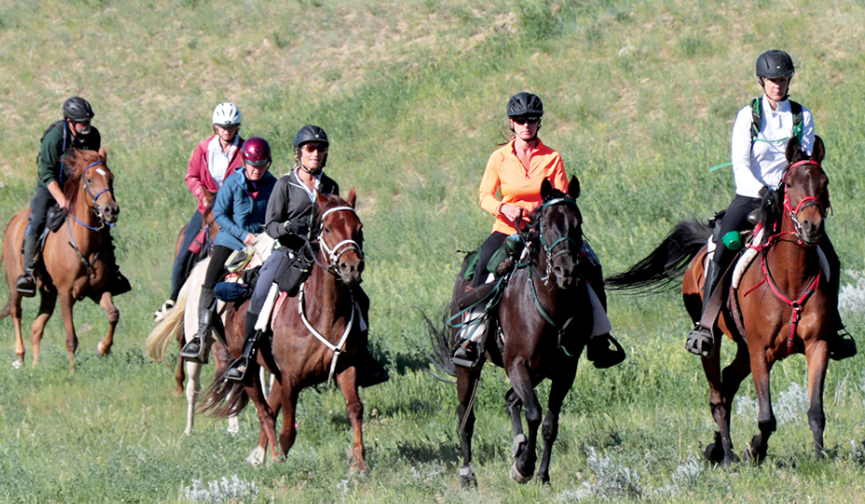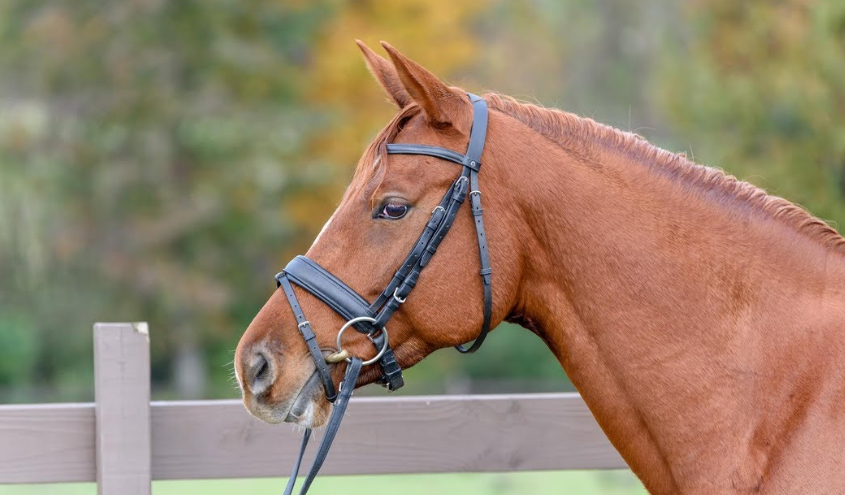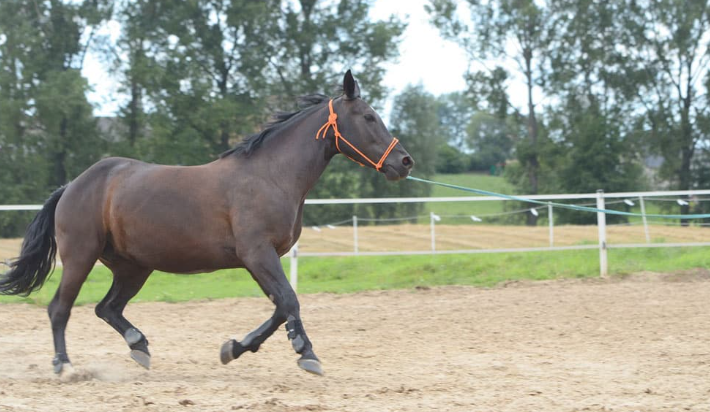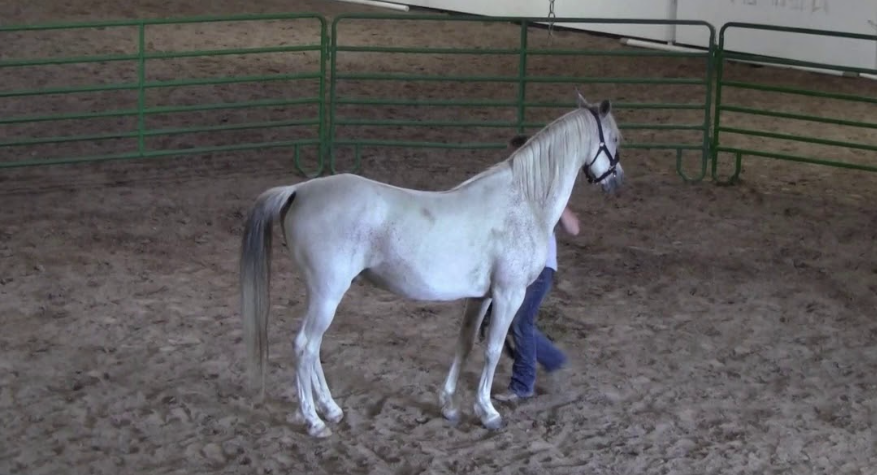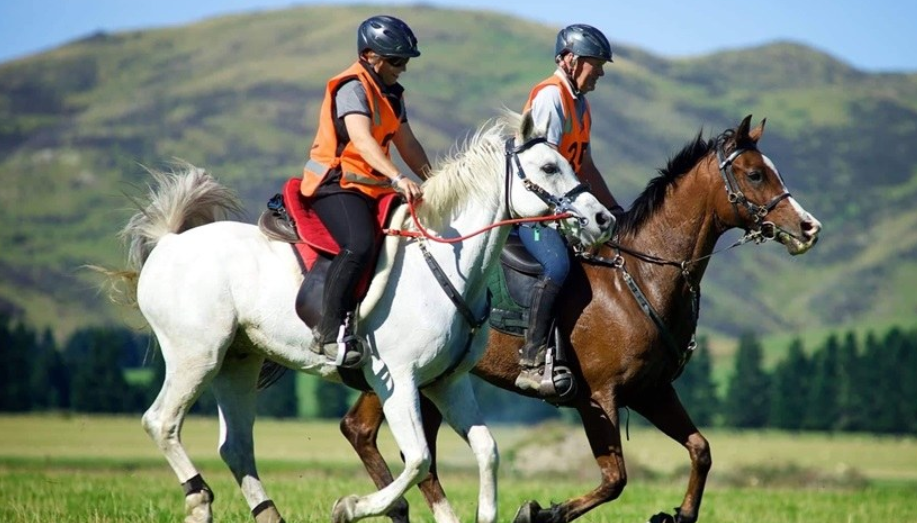
Horses experience competitive stress through instinctual responses and behavioral changes. Their heightened alertness can lead to increased movement and anxiety. However, effective training regimens and structured routines can mitigate these effects. Additionally, environmental factors, such as social interactions and adequate space, play a crucial role in their emotional well-being. Exploring these elements reveals how horses adapt to competition, raising questions about the best practices for enhancing their resilience in high-pressure situations.
Natural Instincts and Behavioral Responses
Horses instinctively respond to competitive stress through a range of behavioral adaptations that reflect both their evolutionary heritage and individual temperament.
Their natural instincts may manifest as heightened alertness, increased movement, or even calming behaviors. Such behavioral responses are essential for their survival, allowing them to navigate the pressures of competition while seeking freedom in their environment, ultimately shaping their interactions and performance.
See also: How Horses Build Trust With Humans
The Impact of Training on Stress Management
Effective training plays a crucial role in equipping horses to manage competitive stress more successfully.
Utilizing various training techniques, trainers foster resilience and adaptability, which contribute to stress reduction. By implementing structured routines and positive reinforcement, horses learn to navigate competitive environments more confidently.
This comprehensive approach not only enhances performance but also nurtures a sense of freedom, allowing horses to thrive under pressure.
Environmental Factors and Their Role in Emotional Health
While competitive stress can significantly impact a horse’s performance, the surrounding environment plays a pivotal role in shaping their emotional health.
Adequate pasture space fosters freedom and promotes natural behaviors, essential for well-being.
Additionally, social interaction with other horses can alleviate anxiety, enhancing resilience against stress.
A supportive environment ultimately contributes to a horse’s ability to cope with the pressures of competition.
Conclusion
In the arena of competition, horses embody a delicate balance of instinct and training, much like a dancer poised on the edge of a stage. Their ability to navigate stress is shaped by the nurturing hands of their trainers and the comforting embrace of their environment. With each gallop, they weave through challenges, drawing strength from social bonds and structured routines. Understanding these intricate coping mechanisms not only enhances their performance but also nurtures their emotional well-being, ensuring they thrive under pressure.