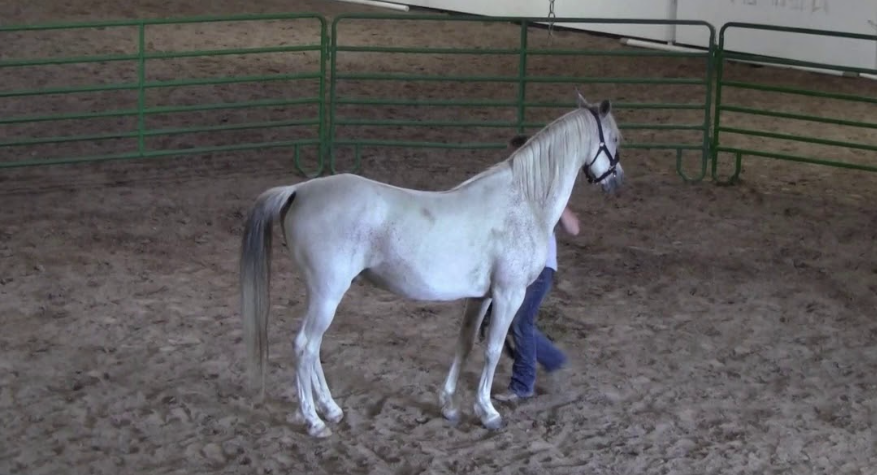
Horses display a range of reactions in crowded environments, shaped by their temperament and prior experiences. While some may show signs of anxiety through restlessness or avoidance, others might adapt more readily. Understanding these behaviors is crucial for caregivers. Observing how a horse interacts with overwhelming stimuli can reveal much about its comfort levels. Yet, the nuances of these reactions raise questions about effective strategies for fostering resilience in equines during such events.
Understanding Equine Behavior in Crowded Environments
When horses are exposed to crowded environments, their behavior can reveal much about their psychological state and adaptability.
Observations indicate that crowd dynamics significantly influence horse sensitivity, as equines may exhibit heightened anxiety or stress. This sensitivity can manifest in various ways, such as restlessness or avoidance behaviors, illuminating the delicate balance between their instincts and the demands of a crowded space.
See also: How Horses Qualify for Major Races
Factors Influencing Horse Reactions to Crowds
Although various factors play a role in how horses react to crowds, individual temperament, past experiences, and environmental conditions are particularly significant.
Horses exposed to effective socialization techniques during their formative years often demonstrate resilience in crowded environments. Conversely, overwhelming environmental stimuli can trigger anxiety, shaping their behavior.
Understanding these influences is crucial for fostering a more harmonious relationship between horses and their surroundings.
Strategies for Reducing Anxiety in Horses During Events
Understanding how horses respond to crowds lays the groundwork for developing effective strategies to mitigate anxiety during events.
Employing desensitization techniques, such as gradual exposure to similar stimuli, can enhance a horse’s comfort level. Additionally, calming supplements may assist in reducing stress responses, promoting relaxation.
These methods, when applied thoughtfully, can empower both horse and rider to navigate crowded environments with confidence.
Conclusion
In the grand tapestry of equine behavior, the reaction of horses to crowded environments serves as a poignant reminder of their sensitivity and individuality. Like characters in a Shakespearean play, each horse navigates the stage of human society, shaped by past experiences and temperament. By understanding these nuanced responses and employing effective strategies, caregivers can cultivate resilience, ensuring that each horse plays its part with confidence and composure, even amidst the tumultuous throng of spectators.