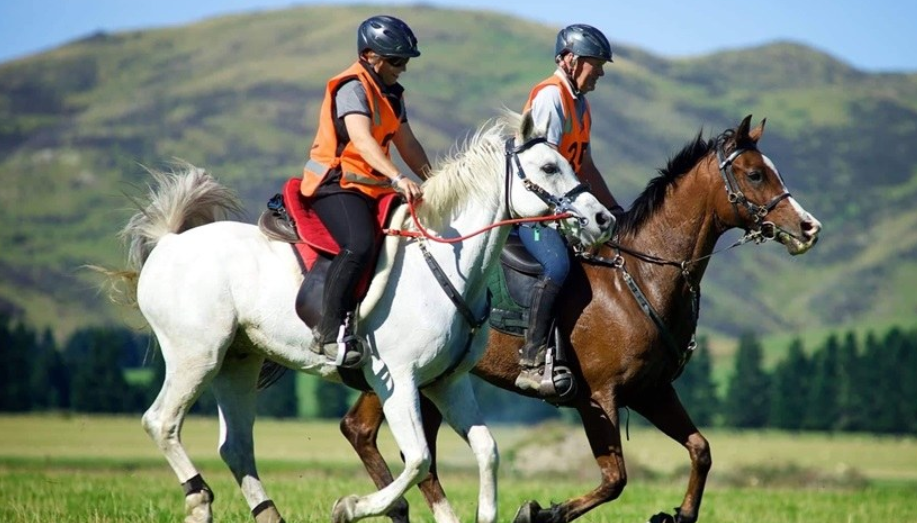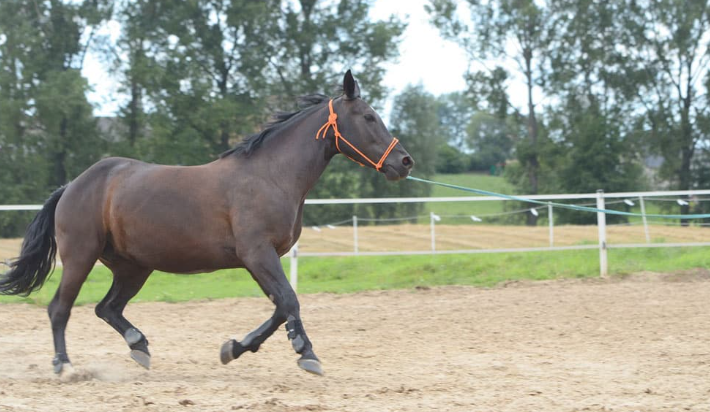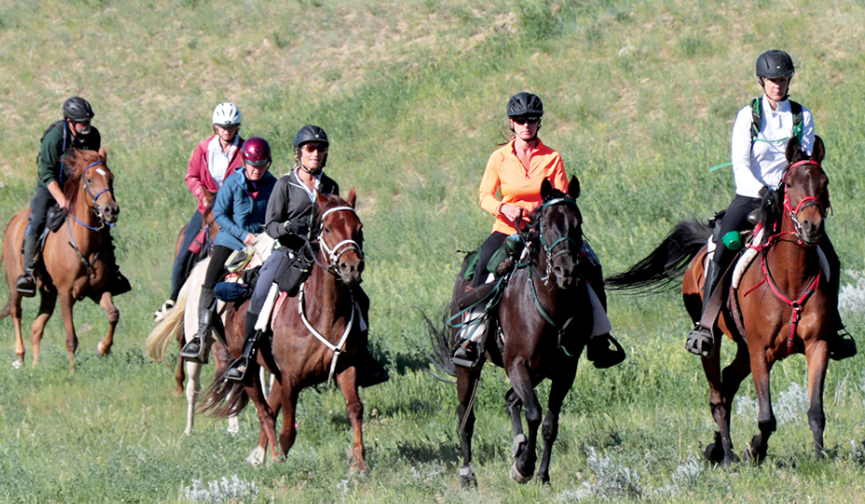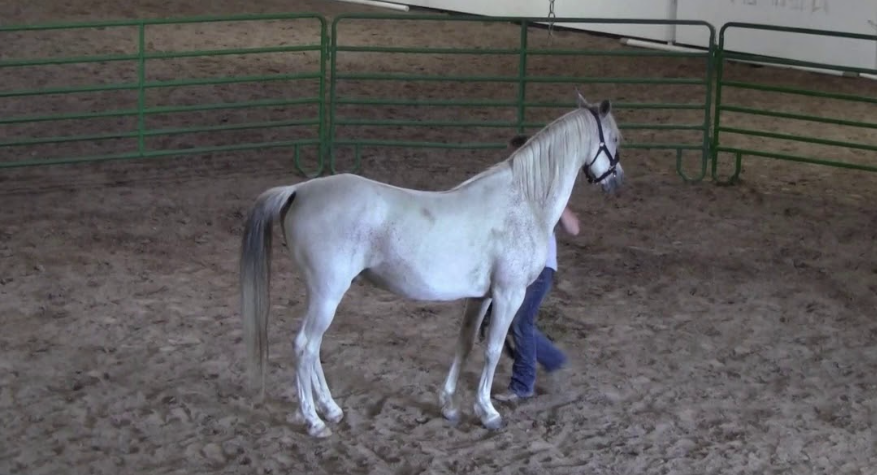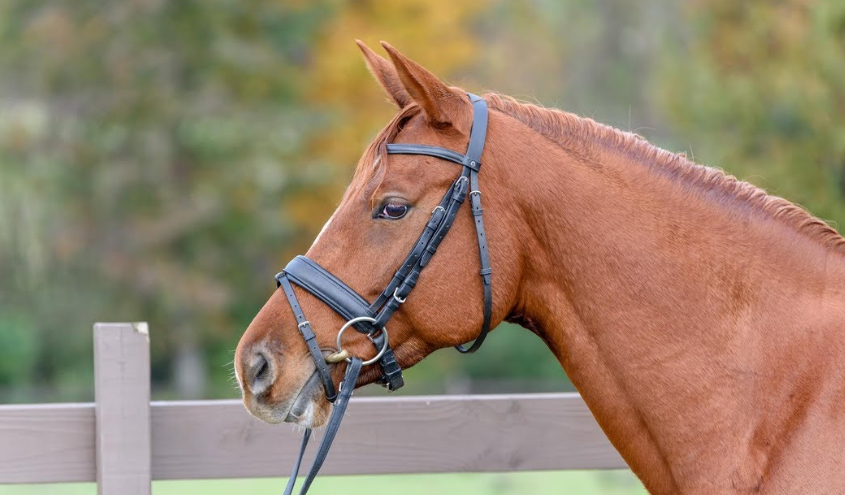
Horses acquire commands through a complex interplay of trust and communication. Trainers utilize both verbal and non-verbal cues to convey their intentions. This relationship is built on empathy, which enhances the horse’s willingness to learn. Furthermore, the training environment significantly influences the horse’s focus and receptiveness. As these dynamics unfold, the methods employed can vary widely. How do these factors ultimately shape the horse’s understanding and response to commands?
The Role of Trust in Training
Trust serves as a foundational element in the training of horses, influencing their responsiveness to commands.
Effective trust building fosters a bond between horse and trainer, enhancing learning outcomes.
Reinforcement techniques, such as positive reinforcement, further solidify this relationship, encouraging the horse to engage willingly.
This empathetic approach not only nurtures trust but also promotes a sense of freedom and cooperation in the training process.
See also: How Horses Cope With Competitive Stress
Understanding Verbal and Non-Verbal Cues
The relationship between horse and trainer is further enhanced through the effective use of verbal and non-verbal cues during training.
Verbal signals serve to guide the horse, while body language conveys emotions and intentions.
Observing these cues allows trainers to communicate more effectively, fostering a deeper connection.
This mutual understanding empowers both the horse and trainer, enhancing the overall learning experience.
Environmental Influences on Learning
Numerous factors within an environment can significantly impact a horse’s ability to learn commands.
Environmental consistency fosters a sense of security, allowing horses to focus on learning. Conversely, excessive sensory stimulation can overwhelm them, hindering comprehension.
Understanding these dynamics enables trainers to create optimal learning settings, balancing familiarity with engaging stimuli, thus promoting freedom in the learning process while respecting the horse’s natural instincts.
Conclusion
In summary, the training of horses through commands is a nuanced process that hinges on trust and effective communication. Research indicates that horses can recognize up to 30 different verbal commands, showcasing their remarkable capacity for learning. The interplay of verbal and non-verbal cues, coupled with a stable environment and varied reinforcement methods, enhances their responsiveness. Ultimately, fostering a strong bond between horse and trainer not only elevates the learning experience but also deepens their mutual understanding and cooperation.